Introduction
E-scooter Battery: The Heart of Your Ride
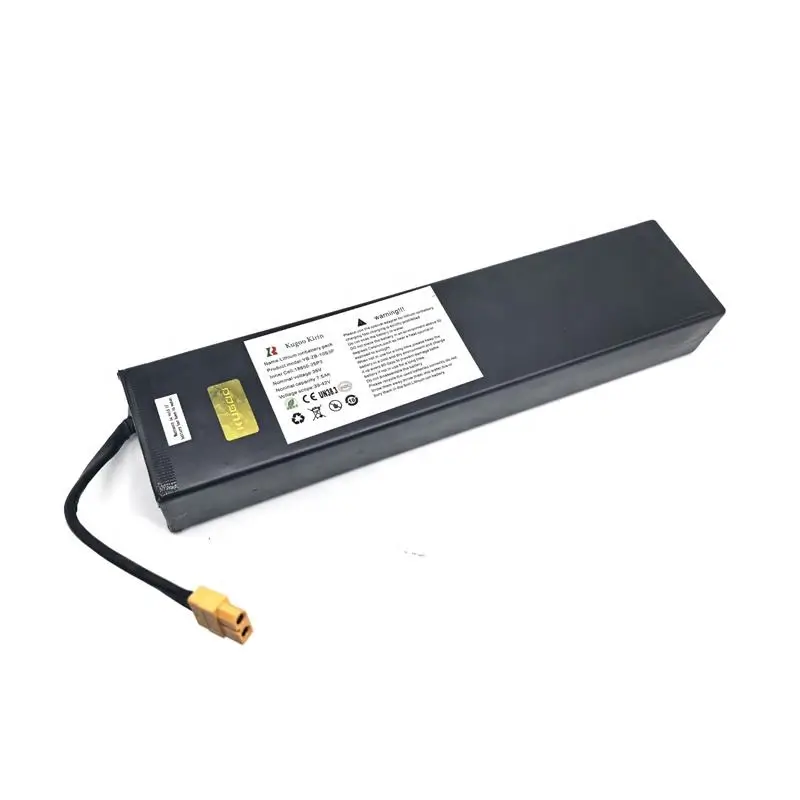
An E-scooter battery is the lifeblood of your electric scooter. Without a reliable battery, your e – scooter is just a piece of static machinery. It stores the electrical energy that powers the motor, enabling you to zip through the streets, commute to work, or have a fun ride in the park.
In the world of e-scooters, the battery determines many crucial aspects. It affects the range you can travel on a single charge. A high – quality E – scooter battery can take you further, whether it’s a short trip to the grocery store or a longer commute across town. The power output of the battery also impacts the speed of your e – scooter. A more powerful battery can provide a quicker acceleration and a higher top speed, making your ride more exciting and efficient.
As the popularity of e – scooters continues to soar, thanks to their eco – friendly nature, convenience, and cost – effectiveness, the importance of a good E – scooter battery cannot be overstated. At Battewill, we understand this significance and are dedicated to providing top – notch E – scooter battery that enhance your riding experience.
1. Understanding E-scooter Battery
1.1 Types of E-scooter Battery
There are mainly two types of E-scooter battery in the market: lead – acid batteries and lithium – ion batteries. Lead – acid Batteries: These are traditional and relatively affordable. They have been around for a long time and are known for their reliability. For example, they are often used in some entry – level e – scooters. However, they have several drawbacks.
They are heavy, which can affect the overall portability and handling of the e – scooter. Their energy density is low, meaning they can’t store as much energy per unit weight as other types. A typical lead – acid battery for an e – scooter might weigh several kilograms, making it a burden when you need to carry the scooter.
Also, their lifespan is shorter compared to lithium – ion batteries, usually lasting around 300 – 500 charge – discharge cycles. Lithium – ion Batteries: These are the more advanced and popular choice today. Lithium – ion batteries come in different subtypes like lithium – ion polymer and lithium – iron – phosphate. They have a high energy density.
This allows them to store more energy in a smaller and lighter package. A lithium – ion battery of the same capacity as a lead – acid battery can be much lighter, perhaps only a fraction of the weight. They also have a longer lifespan, with some lithium – ion batteries capable of 500 – 2000 charge – discharge cycles.
Moreover, they can support faster charging speeds, getting your e – scooter ready to ride in less time. However, they are more expensive upfront, but their long – term cost – effectiveness often outweighs the initial investment.
1.2 Battery Capacity and Range
Battery capacity is a crucial factor for an E-scooter battery. It is usually measured in ampere – hours (Ah) or watt – hours (Wh). A higher Ah or Wh value means the battery can store more electrical energy. For example, a 10Ah battery can supply 10 amperes of current for one hour.
This directly impacts the range of your e – scooter. The range is the distance your e – scooter can travel on a single full charge. If all other factors remain constant, a larger battery capacity will result in a longer range. Let’s say you have an e-scooter with a 5Ah battery that can cover 15 – 20 kilometers on a full charge.
If you upgrade to an 8Ah battery, assuming the motor efficiency and other conditions stay the same, you can expect to travel a longer distance, maybe around 25 – 30 kilometers. But it’s important to note that other factors like the rider’s weight, terrain, and riding speed also play significant roles.
If you’re riding uphill frequently or at a high speed, the battery will drain faster, reducing the range. A heavier rider also requires more power to move the e – scooter, thus consuming more battery energy and shortening the range.
2. Why Choose Battewill’s E-scooter Battery
2.1 High – Quality Materials
At Battewill, we spare no effort in sourcing the finest materials for our E – scooter batteries. For our lithium – ion batteries, we use high – purity lithium compounds. These pure lithium materials enable the battery to have a higher energy density.
With a high – energy – density battery, your e – scooter can store more energy in a compact size. This not only contributes to a longer range but also allows for a more lightweight e – scooter design, enhancing its portability and handling.
The electrodes in our batteries are made from advanced composite materials. These materials have excellent electrical conductivity. They can quickly transfer electrons during the charging and discharging process, reducing energy loss. As a result, more of the stored energy in the battery can be effectively utilized to power your e – scooter, improving its overall efficiency.
2.2 Advanced Technology
Our E-scooter battery incorporate state – of – the – art technology. We utilize advanced battery management systems (BMS). The BMS constantly monitors the battery’s voltage, current, and temperature. For example, it can precisely control the charging and discharging process.
If the charging current is too high, the BMS will adjust it to a safe level, preventing over – charging. This not only extends the battery’s lifespan but also ensures stable performance during rides. We also adopt innovative manufacturing techniques.
Our batteries are produced in a highly automated and precision – controlled environment. This reduces human errors and ensures consistent quality in every battery unit. Each battery cell undergoes strict quality checks during production, guaranteeing that only the best – performing cells are assembled into our E – scooter batteries.
2.3 Safety Features
Safety is our top priority when manufacturing E-scooter battery. Our batteries are equipped with multiple safety features. First, there is over – charge protection. When the battery reaches its full – charge state, the protection circuit will automatically cut off the charging current, preventing the battery from over – charging, which can lead to overheating and potential fire hazards.
We also have over – discharge protection. This ensures that the battery does not discharge below a safe voltage level. Over – discharging can damage the battery cells and reduce the battery’s overall lifespan. Additionally, our batteries are designed with thermal management systems. These systems can dissipate heat generated during charging and discharging.
In case of abnormal heat build – up, the system will activate cooling measures to keep the battery temperature within a safe range, providing you with a worry – free riding experience.
3. How to Maintain Your E-scooter Battery
3.1 Charging Tips
Proper charging is crucial for an E-scooter battery. First, always use the charger that came with your e – scooter. Third – party chargers may not provide the correct voltage or current, which can damage the battery. For charging frequency, it’s advisable not to let the battery discharge completely before charging. Try to charge it when the battery level drops to around 20 – 30%. For lithium – ion batteries, over – discharging can reduce their lifespan significantly.
On the other hand, avoid over – charging. Once the battery is fully charged, unplug the charger promptly. Over – charging can cause the battery to overheat and degrade its performance over time. For example, if you have a daily commute and the battery still has some charge left after the ride, don’t feel the need to charge it immediately unless you plan to use the e – scooter again soon.
3.2 Storage Advice
When you’re not using your e – scooter for an extended period, proper storage of the E-scooter battery is essential. If you’re storing the battery for a few weeks, it’s best to charge it to around 50 – 60% capacity. Then, store it in a cool, dry place.
High temperatures can accelerate the degradation of the battery, so avoid storing it in a hot garage or outdoors in direct sunlight. Also, make sure the storage area is not too humid, as moisture can cause corrosion of the battery’s components.
For longer – term storage, say several months, you should recharge the battery to the 50 – 60% level every one to two months. This helps prevent the battery from self – discharging to a critically low level, which can damage the battery cells.
3.3 Regular Checks
Regularly checking your E-scooter battery can help you detect potential problems early. Start by visually inspecting the battery. Look for any signs of swelling, cracks, or leakage on the battery casing. Swelling or cracks can indicate internal damage, and leakage can be a sign of a serious issue. If you notice any of these problems, stop using the battery immediately and contact a professional for advice. You can also check the battery’s performance.
If you notice a significant decrease in the range your e – scooter can travel on a full charge or if the battery takes much longer to charge than usual, these could be signs that the battery is starting to degrade. In such cases, it might be time to consider replacing the battery or having it professionally tested to determine the extent of the problem.
4. Real – World Applications and User Experiences
4.1 Daily Commuting
Many users have found that e – scooters powered by Battewill’s batteries are a game – changer for daily commuting. Take John, a software engineer in a bustling city, for example. He used to spend hours stuck in traffic during his daily commute to work.
After switching to an e – scooter with a Battewill battery, his commute has become much more pleasant. The high – capacity Battewill battery allows him to cover the 8 – kilometer distance from his home to the office on a single charge, even with some stop – and – go traffic. He can easily zip through the narrow city streets, avoiding traffic jams.
And when he arrives at work, the lightweight nature of the e – scooter, thanks in part to the efficient Battewill battery, makes it easy for him to carry it up to his office floor. Another user, Sarah, who lives in a suburban area, uses her e – scooter with a Battewill battery to commute to the nearest train station.
The e – scooter gives her the flexibility to reach the station quickly, and she doesn’t have to worry about finding a parking spot. The reliable battery performance ensures that she can make the trip every day without any unexpected power – out issues.
4.2 Recreation and Fun
E – scooters with Battewill batteries also bring a lot of fun in recreational scenarios. On weekends, families often head to the local park. Kids and adults alike enjoy riding e – scooters around the park paths. The smooth acceleration provided by Battewill’s batteries makes the ride exciting. For instance, a group of friends might plan a weekend adventure at a beachfront promenade.
They can ride their e – scooters along the shore, feeling the sea breeze. The long – range capabilities of Battewill’s E – scooter batteries mean they can enjoy an extended ride without constantly having to worry about recharging.
Teens also love using e – scooters with these batteries for exploring their neighborhoods. They can meet up with friends at local hangout spots, and the e – scooter adds an element of coolness and freedom to their outings.
Insert an Image Here
[Insert an image of an E-scooter battery, showing its connection to the e – scooter, with the e – scooter looking sleek and ready for a ride. The battery should be clearly visible, perhaps with a label indicating it’s a Battewill battery]
5. Future Trends in E-scooter Battery
5.1 New Developments in Battery Technology
The future of E-scooter battery is full of exciting possibilities. One of the most significant trends is the pursuit of higher energy density. Scientists and researchers are constantly exploring new materials and chemistries.
For example, solid – state batteries are emerging as a promising option. Unlike traditional lithium – ion batteries that use liquid electrolytes, solid – state batteries use solid electrolytes. This not only reduces the risk of leakage and fire but also allows for a higher energy density.
With a higher – energy – density battery, e – scooters could potentially travel much longer distances on a single charge. For instance, current high – end e – scooters with lithium – ion batteries might have a range of 50 – 80 kilometers.
A solid – state battery could potentially double this range, making e – scooters a more viable option for longer commutes or extended trips. Another area of development is faster charging speed. The inconvenience of long charging times is a major drawback for e – scooter users. In the future, we can expect to see batteries that can be charged much more rapidly.
New charging technologies, such as ultra – fast charging, are being developed. These technologies could reduce the charging time from several hours to just 30 minutes or even less. This would be a game – changer, allowing users to quickly top up their e-scooter battery during a short coffee break or while running errands.
5.2 The Impact on the E – scooter Industry
These future developments in E-scooter battery technology will have a profound impact on the e – scooter industry. With longer – range batteries, e – scooter manufacturers can design more powerful and versatile scooters. They can target a wider market, including those who need to travel longer distances for work or daily activities.
This could lead to an increase in the overall sales of e – scooters as they become a more practical alternative to cars or public transportation for a larger number of people. Faster charging speeds will also enhance the user experience.
It will reduce the anxiety associated with running out of battery power. Riders will be more confident in using their e – scooters for various trips, knowing that they can quickly recharge if needed.
This, in turn, could lead to increased usage of e – scooters, both in urban and suburban areas. Additionally, it may encourage more people to choose e – scooters as their primary mode of short – distance transportation, further promoting the growth of the e – scooter sharing and rental businesses.
As the battery technology improves, the cost of manufacturing e – scooter batteries may also decrease in the long run. This could make e – scooters more affordable, opening up the market to a broader range of consumers and further fueling the growth of the e – scooter industry.
Conclusion
In conclusion, the E-scooter battery is the core component that determines the performance, range, and overall experience of your electric scooter. Whether you’re using your e – scooter for daily commuting to avoid traffic jams or for weekend recreational rides, a reliable battery is essential.
Battewill’s E-scooter battery stand out in the market. Our use of high – quality materials ensures high energy density, lightweight design, and efficient power transfer. The advanced technology, especially the sophisticated battery management system, guarantees stable performance, long lifespan, and fast charging capabilities.
Moreover, with multiple safety features, you can ride with peace of mind, knowing that your battery is protected against over – charge, over – discharge, and overheating.
As the e – scooter industry continues to grow and battery technology evolves, choosing a battery from a trusted brand like Battewill is a wise decision.
We are committed to providing you with the best E – scooter batteries, keeping up with the latest trends, and continuously improving our products to meet your needs. So, why wait? Upgrade your e – scooter with a Battewill battery and enjoy a smoother, longer, and safer ride.