Drone battery is the heart of every unmanned aerial vehicle (UAV), big or small. Without a reliable power source, even the most advanced drone becomes a useless hunk of metal. A good drone battery balances energy, weight, and safety to keep drones flying smoothly. This guide breaks down the science behind drone battery technology in simple, easy-to-understand terms.
How Does a Drone Battery Work? The Basics
A drone battery stores chemical energy and converts it into electrical energy on demand. This energy powers the drone’s motors, sensors, and cameras during flight. Most modern drone batteries use lithium-based chemistry, which offers high energy density for its size. The battery connects to the drone’s flight controller, which regulates power flow to prevent overloads.
Key terms help understand drone battery performance. Capacity (measured in mAh) tells how much energy the battery holds. Higher mAh means longer flight times. Voltage (V) indicates the battery’s electrical potential, matching the drone’s motor requirements. Discharge rate (C-rating) shows how quickly the battery can release energy.
Why Lithium Dominates the Drone Batteries’ Market
Lithium-based batteries are the top choice for drones for good reason. They have far higher energy density than old-fashioned lead-acid batteries. A small lithium drone battery can power a drone for 20-30 minutes, while lead-acid would be too heavy. Lithium batteries also charge faster and last longer through repeated use.
Another advantage is their low self-discharge rate. A lithium drone batteries lose only 1-2% of its charge per month in storage. This means you can charge it ahead of time and still have full power when you need to fly. Lead-acid batteries, by contrast, lose 5-10% monthly, leading to dead batteries when forgotten.
Common Drone Battery Types: Differences and Uses
Lithium Polymer (LiPo) is the most popular drone battery type for consumer UAVs. It’s lightweight and flexible, fitting into the tight spaces of small drones. LiPo batteries deliver high discharge rates, perfect for racing drones that need quick bursts of speed. Most hobbyist drones use 3-6 cell LiPo batteries for balanced performance.
Lithium Iron Phosphate (LiFePO4) is a more durable drone batteries option. It’s safer than LiPo, with almost no risk of overheating or catching fire. LiFePO4 batteries have a longer cycle life—up to 2,000 charges compared to LiPo’s 300-500. They’re ideal for commercial drones used daily, like agricultural or inspection UAVs.
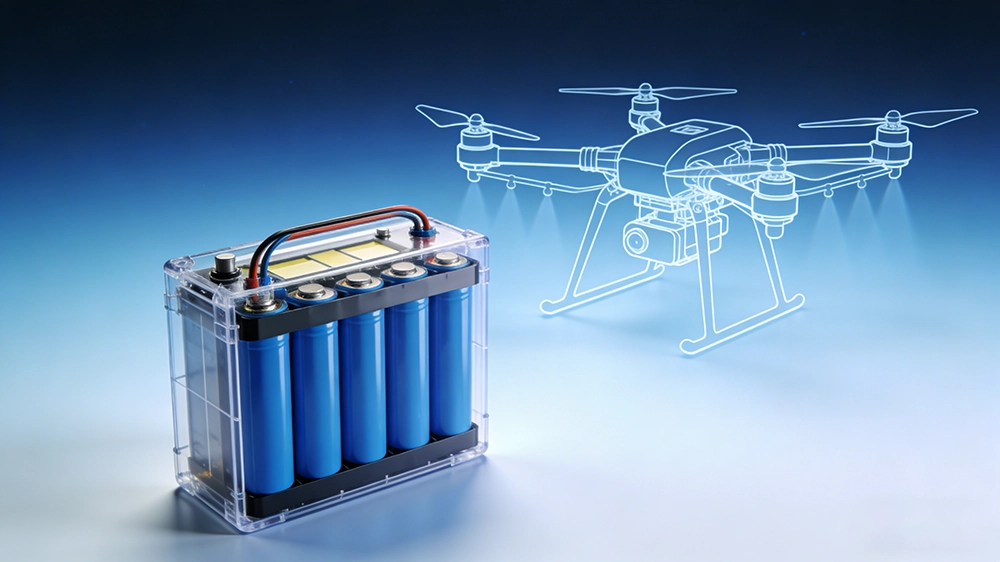
Lithium-Ion (Li-ion): The Middle Ground Drone Batteries
Lithium-ion drone battery sits between LiPo and LiFePO4 in performance. It offers better energy density than LiFePO4 but more safety than LiPo. Many professional drones, like the DJI Inspire series, use custom Li-ion batteries. They provide 25-35 minute flight times with reliable consistency.
The tradeoff is weight—Li-ion is slightly heavier than LiPo for the same capacity. This makes it less common in tiny drones but perfect for mid-sized UAVs. It also charges more slowly than LiPo, taking 60-90 minutes for a full charge versus 30-45 minutes.
How to Choose the Right Drone Batteries for Your UAV
Start by checking your drone’s manufacturer specifications for drone battery requirements. Never use a battery with the wrong voltage—this can damage the drone’s motors or flight controller. Match the connector type exactly to avoid poor connections or short circuits.
Consider your flying needs when selecting a drone battery. For casual photography, prioritize capacity for longer flight times. For racing or acrobatics, choose a high C-rating (20C+) for quick power delivery. For commercial use, opt for LiFePO4 for durability and safety.
Drone Battery Care: Extend Life and Ensure Safety
Proper storage is key to maintaining drone batteries’ health. Store batteries at 30-50% charge, not fully charged or empty. Keep them in a cool, dry place—avoid direct sunlight or hot cars. Use a fireproof battery bag for storage and transport to prevent accidents.
Charge your drone battery correctly to avoid damage. Use only the charger provided by the battery or drone manufacturer. Stop charging if the battery gets hot (over 45°C) or swells. Never leave a charging drone battery unattended, especially overnight.
Replace your drone battery when it shows signs of wear. Swelling, reduced flight time (20% less than new), or longer charging times mean it’s time for a new one. Dispose of old batteries at designated recycling centers—don’t throw them in regular trash.
Battewill: Trusted Drone Battery for Every Need
Whether you’re a hobbyist or a commercial drone operator, Battewill offers reliable drone battery solutions. Its LiPo drone battery lineup includes 3S to 6S options, with capacities from 1,500mAh to 10,000mAh for all drone sizes. For commercial users, Battewill’s LiFePO4 drone batteries delivers 2,500+ charge cycles and 45-minute fast charging. All batteries feature built-in BMS to prevent overcharging, overheating, and short circuits. Battewill’s drone batteries undergoes rigorous testing to ensure consistency and safety, making it the top choice for drone enthusiasts and professionals alike.