Industry drone battery is the critical power source for commercial unmanned aerial vehicles. These batteries differ from consumer drone options, prioritizing durability and long runtime. A reliable industry drone battery ensures seamless operations in agriculture, construction, and logistics. It turns industrial drones from tools into indispensable assets for businesses worldwide.
What Makes an Industry Drone Battery Unique?
Industrial drones handle heavy payloads and work in harsh environments daily. Their batteries must withstand extreme temperatures, dust, and vibration. An drone battery has higher energy density to support 1-4 hours of flight time. This is far longer than the 20-30 minutes of consumer drone batteries.
Safety features are non-negotiable for an industry drone battery. Commercial operations can’t afford battery failures that cause crashes or delays. These batteries include built-in protections against overcharging, short circuits, and overheating. They also undergo rigorous testing to meet industrial safety standards.
Key Metrics to Evaluate an Industry Drone Battery
Capacity (measured in mAh or Ah) tells how much energy the battery stores. Higher capacity means longer flight times for industrial tasks. Voltage (V) must match the drone’s motor requirements to avoid damage. A 24V drone battery is common for mid-sized agricultural drones.
Cycle life indicates how many times the battery can be charged and discharged. A quality battery offers 1,000-2,000 cycles, reducing replacement costs. Discharge rate (C-rating) shows how quickly energy is released, critical for heavy-lift drones.
Common Types of Industry Drone Battery
Lithium Iron Phosphate (LiFePO4) is the most popular industry drone battery type. It’s safe, durable, and performs well in extreme weather. LiFePO4 batteries have a long cycle life, making them ideal for daily commercial use. Agricultural drones often rely on 10Ah LiFePO4 batteries for all-day field work.
Lithium Polymer (LiPo) batteries are lighter but less durable for industrial use. They offer high power density, suitable for drones needing quick bursts of energy. A LiPo industry drone battery works well for short, high-intensity tasks like inspections. However, their 300-500 cycle life means more frequent replacements.
Emerging Technologies for Industry Drone Battery
Solid-state batteries are the next innovation for industry drone battery development. They offer 50% higher energy density than traditional lithium batteries. Solid-state batteries also eliminate the risk of electrolyte leakage, boosting safety. Many manufacturers plan to launch them for industrial use by 2027.
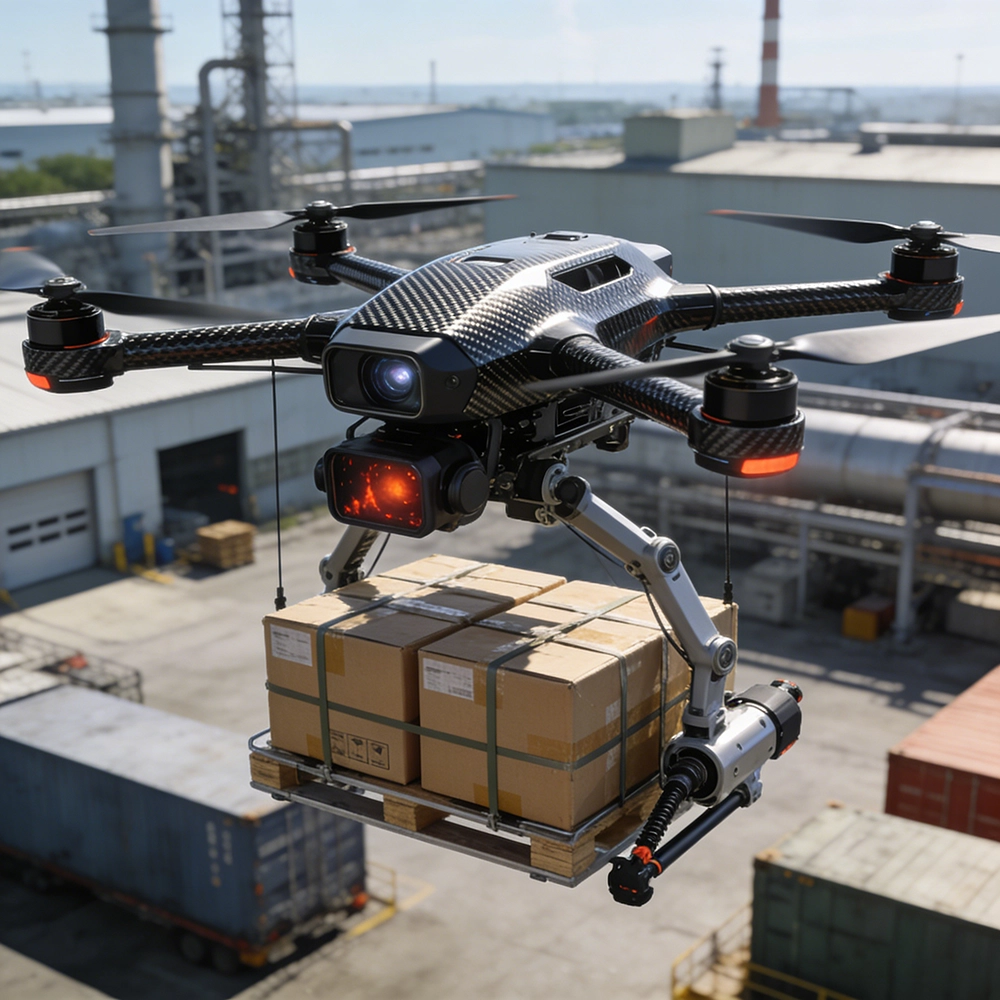
Hybrid power systems combine an industry drone battery with a small fuel cell. The battery handles takeoff and landing, while the fuel cell powers cruising. This setup extends flight time to 6+ hours, perfect for long-distance pipeline inspections.
Matching Industry Drone Battery to Commercial Applications
Agricultural drones need industry drone battery with long runtime and weather resistance. A 15Ah LiFePO4 battery supports 3 hours of crop spraying or soil mapping. It withstands hot afternoons and dusty fields without performance drops.
Construction drones use
battery with high power density. They carry cameras and LiDAR sensors to survey job sites. A 6Ah LiPo battery provides enough power for 1-hour flights with heavy payloads. Quick charging lets them get back to work in 30 minutes.
Logistics drones require battery that balances weight and capacity. A 8Ah lithium-ion battery powers 1.5-hour delivery flights. It’s light enough to keep payload capacity high while ensuring reliable performance.
How to Maintain an Battery
Proper storage extends the life of your industry drone battery. Keep it in a cool, dry place between 15-25°C. Store batteries at 30-50% charge, not fully charged or completely empty. This prevents capacity loss during long periods of non-use.
Charge your industry drone battery with the manufacturer’s recommended charger. Avoid cheap, uncertified chargers that cause overcharging. Stop charging if the battery becomes hot to the touch (over 45°C). Regularly clean battery contacts to ensure good connections.
Replace your battery when performance declines. Signs include 20% shorter flight times or slower charging. Swelling or leaking batteries are dangerous and must be replaced immediately. Dispose of old batteries at designated recycling centers.
Battewill: Trusted Industry Drone Battery Provider
Battewill specializes in high-performance industry drone battery solutions for commercial users. Its LiFePO4 drone battery lineup includes 8Ah to 20Ah options, fitting all drone sizes. These batteries offer 1,500+ cycles and operate in -20°C to 60°C temperatures. For heavy-lift drones, Battewill’s LiPo industry drone battery delivers 15C discharge rates. All batteries feature advanced BMS for safety and 45-minute fast charging. Battewill’s battery is the top choice for businesses seeking reliability and value.