VTOL DRONE BATTERY is the core power source for military vertical takeoff and landing drones. These UAVs combine the flexibility of helicopters with the efficiency of fixed-wing aircraft. Their unique flight modes demand specialized VTOL DRONE BATTERY solutions that balance power and endurance. Choosing the right battery directly affects a military VTOL drone’s mission range, payload capacity and operational safety.
Military VTOL Drone Types: Shaping VTOL DRONE BATTERY Needs
Tactical reconnaissance VTOL drones are the most widely used in modern militaries. They operate in urban canyons and complex terrains, requiring quiet, long-lasting power. A reliable VTOL DRONE BATTERY enables them to hover for 2-4 hours while running surveillance sensors.
Attack VTOL drones, such as the U.S. MQ-28 Ghost Bat, need high burst power. Their VTOL DRONE BATTERY must deliver instant energy for vertical takeoff and weapons deployment. These drones prioritize power density over absolute runtime for combat effectiveness.
Logistics VTOL drones transport supplies to frontline troops, carrying 50-500kg payloads. Their VTOL DRONE BATTERY focuses on load-bearing capacity and stable discharge. Extended cycle life is also key to reduce replacement costs in field operations.
Key Performance Metrics for Military VTOL DRONE BATTERY
Energy density (Wh/kg) is the top priority for BATTERY selection. Higher density means longer flight times without extra weight. Military VTOL drones typically require batteries with 350-450 Wh/kg to meet mission demands.
Power density (Wh/kg) matters for vertical takeoff phases. A VTOL DRONE BATTERY must supply 10-15 times the average power during liftoff. This ensures the drone can carry heavy payloads straight into the air.
Environmental resilience is non-negotiable for military drone battery. It must operate in -40°C arctic cold and 60°C desert heat. Resistance to shock, vibration and water immersion is also mandatory.
Main VTOL DRONE BATTERY Types: Differences and Applications
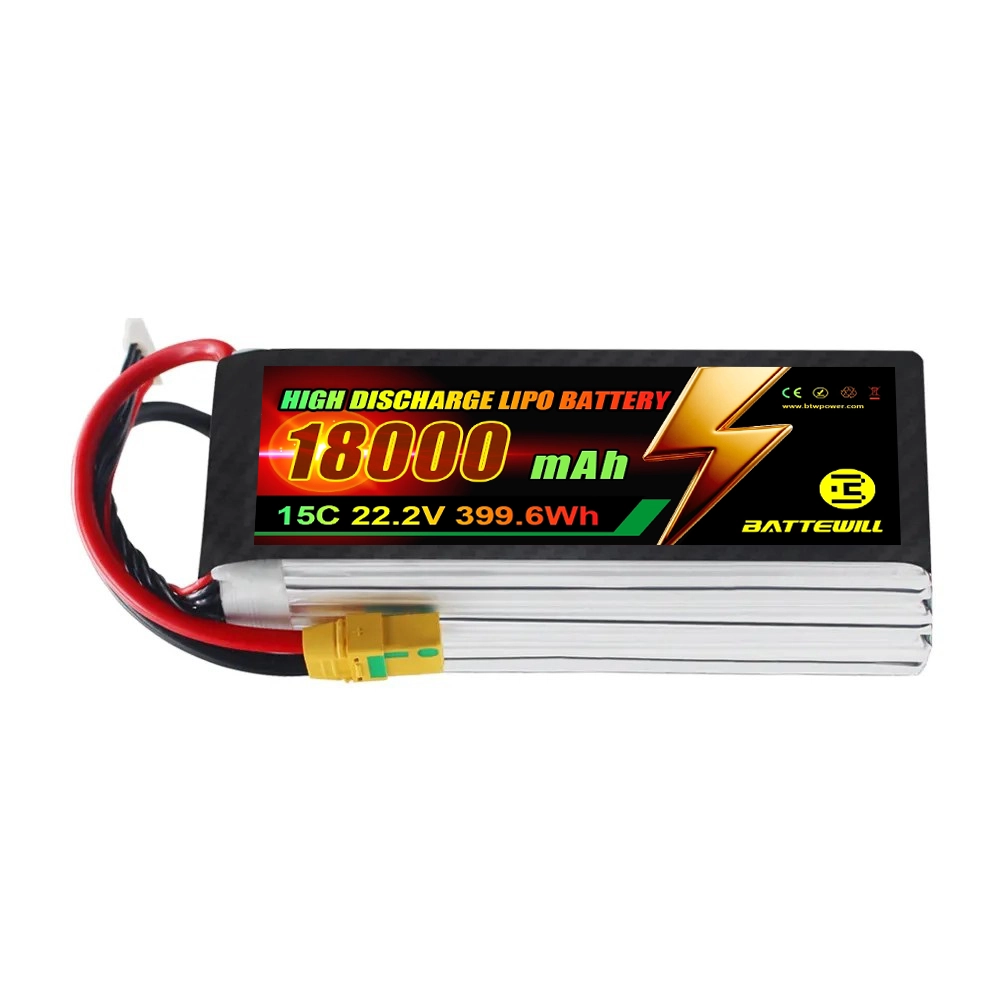
Lithium Polymer (LiPo) batteries dominate the lightweight VTOL BATTERY market. They offer high energy and power density, ideal for tactical reconnaissance drones. The U.S. Switchblade 300 uses LiPo-based VTOL DRONE BATTERY for its 10-minute combat missions.
LiPo’s main limitation is its short cycle life (300-500 charges). It also has higher fire risk, requiring advanced thermal management in military applications. These factors make it less suitable for long-term deployment.
LiFePO4: The Reliable VTOL BATTERY Alternative
Lithium Iron Phosphate (LiFePO4) is gaining traction as a military VTOL BATTERY. It offers 2000-5000 charge cycles, 4-6 times that of LiPo. Its thermal stability eliminates fire risk, a critical advantage in combat.
As a VTOL BATTERY, LiFePO4 excels in logistics and long-endurance drones. China’s Rainbow-10 VTOL UAV uses LiFePO4 batteries for 6-hour patrol missions. The tradeoff is slightly lower energy density than LiPo.
Emerging VTOL DRONE BATTERY Technologies for Military Use
Solid-state batteries represent the future of VTOL BATTERY technology. They offer 500+ Wh/kg energy density and inherent safety. The U.S. Army is testing solid-state batteries for its next-gen VTOL drones.
Hybrid power systems combine VTOL DRONE BATTERY with fuel cells. This setup uses batteries for takeoff and fuel cells for cruising. It extends mission time to 12+ hours, ideal for strategic reconnaissance.
Matching VTOL DRONE BATTERY to Military Mission Profiles
Short-range tactical missions (10-30 minutes) use LiPo VTOL BATTERY. Examples include the Israeli Skylark VTOL, which prioritizes speed and maneuverability. The battery’s high discharge rate supports quick target engagement.
Medium-range patrol missions (2-6 hours) opt for LiFePO4 VTOL BATTERY. Drones like the British Watchkeeper X rely on its reliability and long cycle life. It balances endurance with operational safety in harsh environments.
Long-range strategic missions use hybrid VTOL BATTERY systems. The Northrop Grumman RQ-4 Global Hawk’s VTOL variant uses this setup. It enables multi-day surveillance without refueling or recharging.
Battewill: High-Performance VTOL DRONE BATTERY for Military Needs
Battewill specializes in military-grade VTOL DRONE BATTERY solutions tailored to diverse mission requirements. Its LiFePO4 VTOL DRONE BATTERY delivers 380 Wh/kg energy density—surpassing industry standards—with 3500 charge cycles.
For attack drones, Battewill’s LiPo VTOL DRONE BATTERY provides 20C discharge rates for powerful vertical takeoffs. All batteries feature a ruggedized design: a titanium alloy casing resists shrapnel, while a multi-layer BMS prevents overheating and short circuits.
They meet MIL-STD-810H and NATO STANAG 4586 standards, operating reliably in extreme temperatures and combat conditions. With 45-minute fast charging (0-80%), Battewill’s VTOL DRONE BATTERY minimizes downtime for critical missions. Whether powering a small tactical drone or a large logistics VTOL UAV, Battewill delivers the power, safety and durability that military forces depend on.