Solid state battery cell is no longer a distant concept—2026 marks its official commercial debut. This revolutionary power source is set to eliminate range anxiety, boost safety, and reshape multiple industries. From electric vehicles that charge in 5 minutes to drones with 60% longer flight time, solid state battery cell brings changes we’ve been waiting for. This guide breaks down what you need to know about 2026’s most anticipated battery technology.
What Makes Solid State Battery a 2026 Breakthrough?
Solid state battery replaces traditional lithium-ion’s liquid electrolyte with a solid one. This simple shift solves two big pain points: safety and energy density. Unlike liquid electrolytes that catch fire easily, solid electrolytes are non-flammable and leak-proof.
2026’s commercial solid state battery hits energy densities of 350-600Wh/kg. That’s a huge jump from traditional lithium-ion’s 250-300Wh/kg limit. More energy in the same space means longer runtimes for every device.
Fast charging is another standout feature. A solid state battery can reach 80% charge in just 5-10 minutes. No more waiting 30+ minutes at charging stations—refueling becomes as quick as filling a gas tank.
Extreme temperature performance also impresses. Solid state battery cell maintains over 90% capacity from -30°C to 100°C. This ends the winter range drop that plagues current electric vehicles.
2026 Solid State Battery Cell: Key Advantages Over Traditional Batteries
Safety gets a massive upgrade with solid state battery cell. It passes rigorous tests—needle punctures, deep water submersion, and high-heat exposure cause no fires or explosions. Thermal runaway temperature jumps to 500°C+ from 230°C of liquid batteries.
Longer lifespan saves money in the long run. Solid state battery supports up to 100,000 charge cycles, far more than the 1,000 cycles of standard lithium-ion. This means 10+ years of reliable use for electric vehicles.
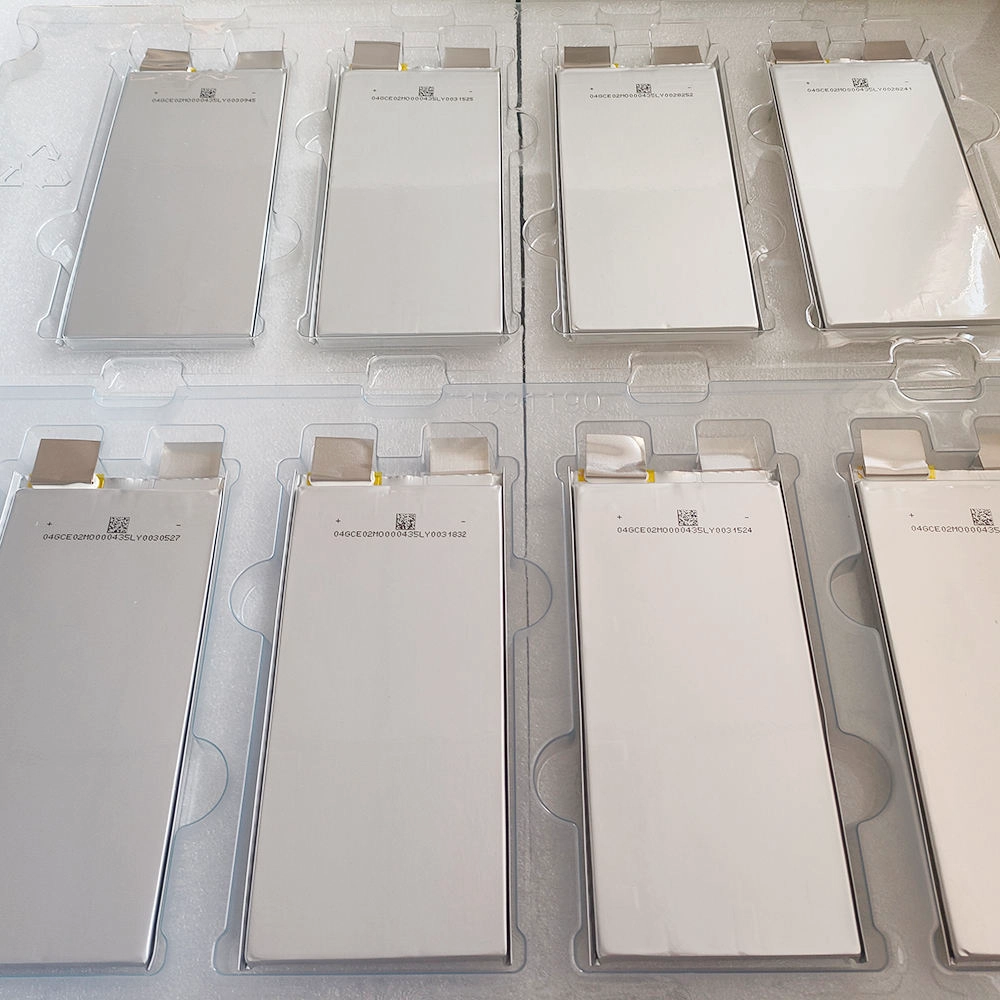
Slimmer design expands application possibilities. Without liquid electrolyte and bulky safety components, solid state battery is lighter and more compact. It fits into slim wearables, folding phones, and small drones easily.
2026 Hot Scenarios: Where Solid State Battery Cell Shines
Electric vehicles (EVs) lead the adoption of solid state battery cell. Major automakers like Toyota, BMW, and Dongfeng plan 2026 launches. These EVs will offer 1000-1200km range on a single charge.
Chery’s Xingtu ES8 will use 600Wh/kg solid state battery cell for 1200km+Lifespan’s new model can add 450km of range in just 5 minutes of charging. These specs finally make EVs better than gas cars for long trips.
Drones and eVTOLs (electric vertical takeoff vehicles) get a big boost. Solid state battery cell increases drone flight time by 60-90%, perfect for delivery, agriculture, and search missions. eVTOLs, key to future urban air mobility, rely on its high energy density.
Consumer electronics will see slimmed-down designs. Foldable phones with solid state battery cell can run all day without bulging. Smartwatches may go a week between charges, ending daily charging hassles.
2026 Solid State Battery Cell: What to Expect as a Consumer
Early adopter models will hit the market in late 2026, starting with high-end EVs. Prices will be premium at first—solid state battery cell currently costs 2-4x more than traditional lithium-ion. But costs will drop as production scales up.
Existing charging infrastructure works with solid state battery cell. No need for new chargers—just a simple software update for 800V supercharging stations. This makes the transition smooth for both consumers and businesses.
Semi-solid battery cell models are available now as a transition. These mix solid and liquid electrolytes, offering 350-428Wh/kg energy density. They’re a great option if you don’t want to wait for full solid state versions.
When buying, focus on three key specs: energy density (aim for 350Wh/kg+), fast charge time (under 10 minutes for 80%), and battery warranty (8 years/150,000km+).
The Future Beyond 2026: Solid State Battery Cell Trends
2027 will bring mass production and lower costs. Battery makers like Ningde Times plan large-scale lines, driving down prices to match traditional lithium-ion by 2030. This will accelerate adoption across all industries.
New applications will emerge, from home energy storage to humanoid robots. Solid state battery cell’s safety makes it ideal for indoor robots. Home storage systems will be smaller, safer, and hold more energy for power outages.
Technology will keep advancing. Researchers are working on better solid electrolytes to boost conductivity. Future solid state battery cell may hit 700Wh/kg, opening doors for long-distance EVs and electric airplanes.
Battewill: Ready for the Solid State Battery Cell Era
Battewill is at the forefront of solid state battery cell innovation, developing high-performance solutions for 2026’s emerging applications. Its commercial-grade solid state battery cell delivers 350-400Wh/kg energy density, matching the needs of early EV and drone models.
Battewill’s solid state battery cell features fast charging (80% in 8 minutes) and extreme temperature resistance, ensuring reliability in all scenarios. Built with advanced safety protections, it meets global industry standards for EVs, consumer electronics, and industrial use. As 2026 ushers in the solid state era, Battewill provides the reliable, high-performance power solutions to keep pace with the future.