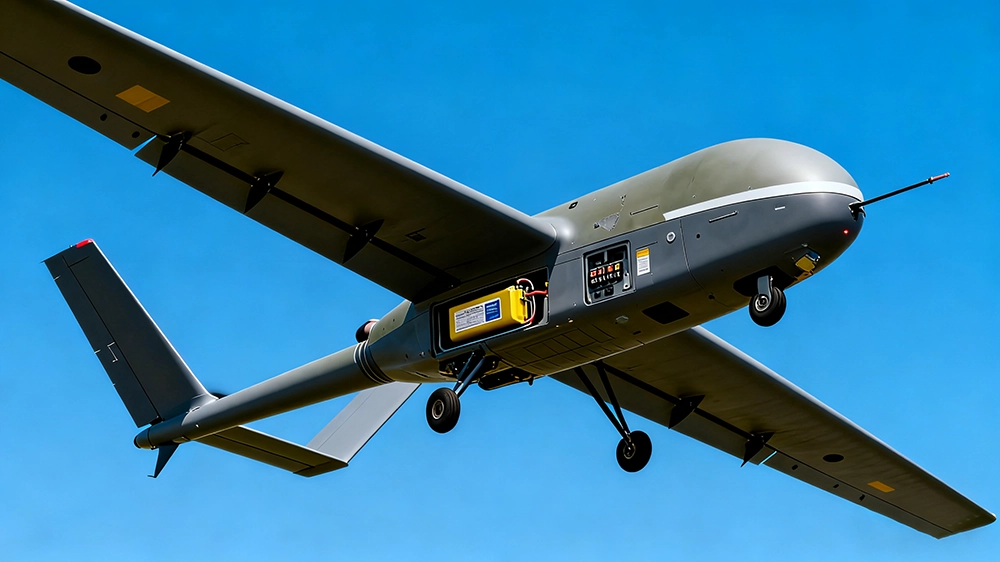
Introduction: Military Drones – Transforming the Skies
Military Drones have become an integral part of modern military operations. These unmanned aerial vehicles are revolutionizing the way wars are fought, offering a range of capabilities that were once the stuff of science fiction. From reconnaissance missions in the most remote areas to precision strikes on high – value targets, military drones have proven their worth time and time again.
The importance of military drones in modern military cannot be overstated. They provide a cost – effective alternative to manned aircraft in many scenarios. Since there is no need to risk the lives of pilots, drones can be deployed in high – risk areas such as enemy territory or areas with dangerous environmental conditions. For example, in the mountainous regions of Afghanistan, drones have been used to monitor the movements of insurgent groups without putting soldiers in harm’s way.
Moreover, military drones can stay in the air for extended periods. Some high – altitude long – endurance drones can remain aloft for days, continuously gathering intelligence. This long – range surveillance capability is crucial for tracking the activities of potential threats over a large geographical area.
However, none of these remarkable capabilities would be possible without a reliable power source. This is where batteries come into play. Just like the human heart pumps blood to keep the body functioning, batteries power military drones, enabling them to take off, fly, and carry out their missions.
This is where Battewill comes in. Battewill is a leading company in the production of various types of batteries, and its products play a vital role in powering military drones. Their batteries are designed to meet the stringent requirements of the military, providing high – energy density, long – lasting power, and reliability even in extreme conditions.
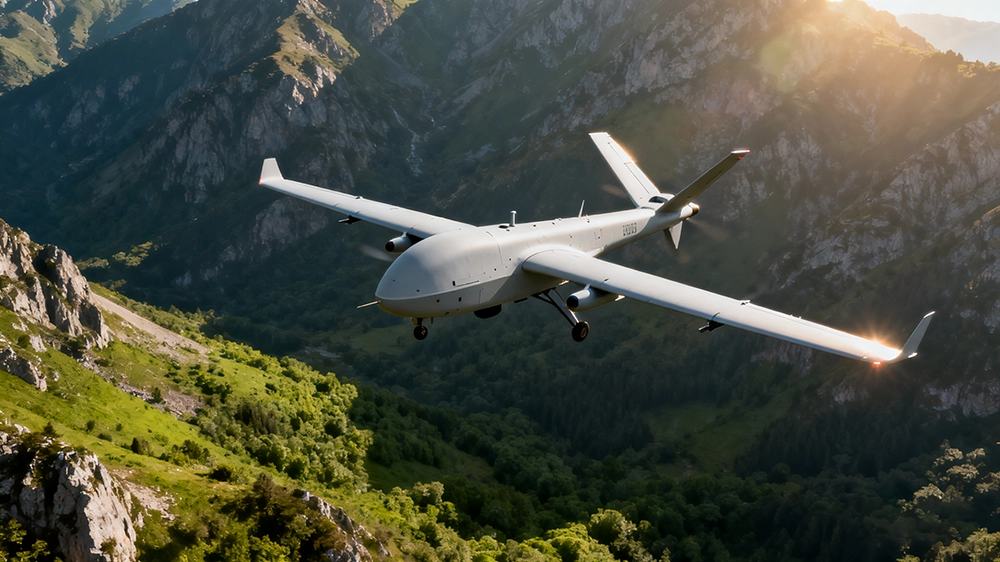
The Crucial Role of Batteries in Military Drones
1. Powering Precision Missions
Military drones rely on batteries to execute precision missions. For long – term reconnaissance, drones equipped with high – quality batteries can stay aloft for extended periods. They can silently monitor a target area, collecting valuable intelligence without being detected easily. For example, during border surveillance, a drone powered by a reliable battery can continuously track the movement of suspicious individuals or vehicles for hours.
Target location is another critical mission that depends on the power from batteries. Drones can fly close to the target area, using their sensors to precisely locate enemy positions. The stable power supply from the battery ensures that the drone’s navigation and sensor systems work accurately. A well – powered drone can hover over a specific location with great accuracy, providing real – time and precise information to the military command center.
2. Impact on Flight Endurance and Performance
Battery performance has a significant impact on the flight endurance of military drones. A higher – capacity battery can enable a drone to fly for a longer time. For instance, some long – range military drones can fly for 24 hours or more with advanced batteries. This extended flight time allows them to cover a larger geographical area during a single mission, which is crucial for surveillance over vast deserts or oceans.
Flight speed and altitude are also closely related to battery performance. A powerful and efficient battery can provide the necessary energy to increase the drone’s flight speed. When a drone needs to quickly reach a target area or avoid potential threats, a good battery ensures it can accelerate rapidly. Regarding altitude, a high – quality battery can support the drone to fly at higher altitudes. Flying at a higher altitude not only gives the drone a broader view but also makes it more difficult to be detected by ground – based air – defense systems. However, as the drone ascends to higher altitudes, the battery has to work harder due to the thinner air and lower temperature, so its performance becomes even more crucial.
Battewill: A Leader in Battery Generation for Military Drones
1. Company Overview
Battewill has firmly established itself in the battery – generation industry. Based in Shenzhen, China, it has grown from a small – scale startup to a large – scale enterprise with a global footprint. The company has a state – of – the – art manufacturing facility covering an area of over [X] square meters, equipped with the latest production lines and testing equipment.
It mainly focuses on producing various types of batteries for daily life use, such as those for medical equipment, smart home devices, and electric vehicles. However, its foray into the military drone battery market has been remarkable. Battewill has become a trusted supplier for many military drone manufacturers around the world. Its reputation is built on high – quality products, strict quality control, and excellent customer service.
2. Technological Edge in Military Drone Batteries
Battewill’s batteries for military drones are packed with advanced technologies. They have an extremely high energy density. For example, their latest lithium – ion batteries can store up to [X] Wh/kg of energy, which is significantly higher than many of their competitors. This high energy density allows military drones to fly longer distances or carry heavier payloads. A drone powered by Battewill’s battery can fly 30% farther than those using ordinary batteries under the same conditions.
The long – cycle life is another advantage. These batteries can endure over [X] charge – discharge cycles without significant capacity degradation. In a military drone that is used frequently, this long – cycle life reduces the need for frequent battery replacements, saving both time and money. Military units don’t have to worry about the battery’s performance declining quickly during long – term operations.
Fast – charging technology is also a highlight. Battewill’s batteries can be charged to 80% of their capacity in just [X] minutes. When a military drone needs to be quickly redeployed for another mission, this fast – charging feature ensures that it can be back in the air in no time. It gives military forces a significant operational advantage, allowing for more efficient and timely responses to various situations.
Types of Batteries Used in Military Drones by Battewill
1. Lithium – Ion Batteries
Lithium – ion batteries are a popular choice for military drones, and Battewill’s lithium – ion batteries stand out in this field. These batteries are lightweight, which is crucial for military drones. A lighter battery means the drone can carry more payload or fly longer distances. For example, Battewill’s lithium – ion batteries are up to 30% lighter than some traditional batteries in the market.
They also offer a stable energy output. This stability ensures that the drone’s systems, such as navigation and communication, work smoothly during the entire flight. Whether the drone is taking off, hovering, or landing, the lithium – ion battery from Battewill provides a consistent power supply. In addition, they have a high energy density. This allows the drone to store a large amount of energy in a relatively small volume, which is essential for the compact design of military drones.
2. Other Specialized Batteries
Besides lithium – ion batteries, Battewill also produces other specialized batteries for military drones. One example is the lithium – sulfur battery. These batteries have a high theoretical energy density, which could potentially allow military drones to fly even longer distances or perform more complex missions. Although still in the development stage in some aspects, Battewill has made significant progress in improving the cycle life and stability of lithium – sulfur batteries.
Another type is the solid – state battery. Solid – state batteries offer advantages such as higher safety and potentially better performance at extreme temperatures. Military drones often operate in harsh environments, and solid – state batteries produced by Battewill are designed to meet these challenges. They can withstand high – temperature deserts and freezing – cold mountains, ensuring the drone’s normal operation in various terrains and climates.
Challenges and Solutions in Military Drone Battery Technology
1. Challenges Faced
Military drones often operate in extreme environments, which pose significant challenges to battery technology. In high – temperature regions such as deserts, the ambient temperature can exceed 50°C. Under such conditions, the electrolyte in traditional batteries may accelerate decomposition, leading to a decrease in battery performance or even potential safety hazards like overheating and explosion. For example, in some desert – based military operations, drones have experienced sudden drops in battery capacity due to high – temperature effects, forcing them to cut short their missions.
In extremely cold environments, like the Arctic or high – altitude mountainous areas with temperatures below – 20°C, the performance of batteries also deteriorates rapidly. The internal resistance of the battery increases, and the chemical reactions slow down, resulting in a significant reduction in battery output power and capacity. This can cause the drone’s flight speed to decrease, its altitude – maintaining ability to weaken, and in severe cases, the drone may lose power mid – flight.
Safety is another major concern. Military drones are sometimes in high – risk combat scenarios where they may be subject to impacts, vibrations, or even enemy attacks. Batteries need to be able to withstand these external forces without leakage, explosion, or other dangerous situations. A small puncture or strong impact on the battery during a mission could lead to a complete failure of the drone’s power system, putting the entire mission at risk.
2. Battewill’s Innovative Solutions
Battewill has developed advanced thermal – management technologies to address the extreme – temperature challenges. For high – temperature environments, their batteries are equipped with a special heat – dissipation structure. This structure includes heat – conducting materials and fins that can quickly transfer the heat generated inside the battery to the outside. For instance, in their desert – tested drones, the heat – dissipation system can keep the battery temperature within a safe range even when the outside temperature reaches 55°C, ensuring stable battery performance.
In response to cold – temperature problems, Battewill has developed batteries with a new type of electrolyte. This electrolyte has a lower freezing point and better conductivity at low temperatures. Additionally, the battery packs are equipped with self – heating components. When the temperature drops below a certain level, these components can be activated to heat the battery, allowing it to maintain normal operation. In cold – region military exercises, drones powered by Battewill’s batteries have shown excellent performance, with only a minimal decrease in capacity even at – 30°C.
Regarding safety, Battewill uses high – strength and impact – resistant materials for battery casings. These materials can effectively protect the internal components of the battery from external impacts. Moreover, the company has implemented multiple safety protection circuits in its batteries. These circuits can quickly detect abnormal conditions such as over – current, over – voltage, and short – circuits, and then take immediate measures to cut off the power supply, preventing potential safety accidents.
Real – World Applications and Success Stories
1. Case Studies of Military Drone Missions
In a recent border surveillance mission in a mountainous region, a military drone equipped with Battewill’s lithium – ion batteries played a crucial role. The mission required the drone to fly for over 12 hours continuously, monitoring the movement of potential illegal cross – border activities. The high – energy – density lithium – ion battery from Battewill provided a stable power supply throughout the mission. Despite the harsh environment with strong winds and temperature fluctuations, the drone maintained its position and transmitted high – quality video and sensor data back to the command center. Thanks to the long – lasting power of Battewill’s battery, the military was able to detect and prevent several illegal border – crossing attempts.
During a counter – insurgency operation in a dense jungle area, a military drone powered by Battewill’s specialized batteries was deployed for target location. The mission was challenging as the thick foliage made it difficult to detect insurgent positions from the air. However, the drone, with its advanced sensors and reliable power from Battewill’s battery, was able to fly low and slow, scanning the area for signs of enemy presence. The stable power allowed the drone to hover for extended periods over suspicious areas, accurately identifying the locations of insurgent camps. Based on the information provided by the drone, the military was able to launch a successful operation, neutralizing the threat with minimal risk to their own forces.
2. Testimonials from the Military
A military official from a well – known army unit shared his experience: “We have been using Battewill’s batteries in our military drones for the past two years, and the results have been outstanding. Their batteries have a high energy density, which significantly extends the flight time of our drones. This has been a game – changer for us, especially in long – range surveillance missions. We can now cover more area and gather more intelligence without having to worry about frequent battery replacements. Moreover, the fast – charging feature of their batteries allows us to quickly redeploy our drones for subsequent missions, enhancing our operational efficiency.”
Another testimonial came from a naval aviation unit: “In our naval operations, the reliability of the battery is of utmost importance. Battewill’s batteries have never let us down. Whether it’s the high – humidity environment at sea or the sudden temperature changes during take – off and landing, their batteries perform consistently well. We have conducted numerous missions using drones powered by Battewill’s batteries, and we have full confidence in their performance. These batteries have become an essential part of our military drone operations.”
Future Prospects: Advancing Military Drone Battery Technology with Battewill
1. Research and Development Initiatives
Battewill is gearing up for an exciting future in military drone battery technology. The company has allocated a significant portion of its annual budget, up to 20% in the next three years, to research and development (R&D) initiatives focused on military drone batteries. This financial commitment demonstrates its determination to drive innovation in this critical field.
A dedicated R&D team at Battewill, consisting of over 50 experts in materials science, electrochemistry, and engineering, is working around the clock. They are collaborating with leading research institutions globally, such as the Massachusetts Institute of Technology (MIT) in the United States and Tsinghua University in China. These partnerships aim to exchange knowledge and resources, accelerating the development of new battery technologies.
The R&D efforts are centered on several key areas. One is the exploration of new battery chemistries. Scientists at Battewill are researching advanced lithium – based chemistries that could potentially offer even higher energy density than the current lithium – ion and lithium – sulfur batteries. They are also looking into the possibility of using magnesium – ion or aluminum – ion batteries, which have the potential to provide unique advantages like higher safety and lower cost in the long run.
Another focus is on improving battery manufacturing processes. The team is working on developing more efficient and environmentally friendly manufacturing techniques. For example, they are exploring the use of 3D printing technology in battery production. This could enable the creation of customized battery designs with complex internal structures, optimizing energy storage and release for different military drone applications.
2. Anticipated Technological Breakthroughs
In the coming years, several technological breakthroughs are on the horizon for military drone batteries, and Battewill is well – positioned to be at the forefront. One of the most promising areas is the development of solid – state batteries. Battewill’s R&D team is making significant progress in this field. Solid – state batteries, once fully developed, will have a much higher energy density, potentially reaching up to 500 Wh/kg. This would be a game – changer for military drones, allowing them to fly for much longer durations or carry heavier payloads, such as more advanced surveillance equipment or larger – caliber weapons for offensive operations.
Artificial intelligence (AI) – integrated battery management systems (BMS) are another area of expected breakthrough. Battewill plans to develop an AI – powered BMS that can continuously monitor and optimize the performance of military drone batteries in real – time. This system will be able to predict battery degradation, adjust charging and discharging rates based on the drone’s mission requirements, and even self – diagnose and repair minor issues. For instance, during a long – range reconnaissance mission, the AI – BMS can analyze the battery’s health and adjust the power output to ensure the drone can complete the mission without running out of power prematurely.
The use of nanotechnology in battery materials is also an exciting prospect. Battewill is researching the application of nanomaterials, such as graphene – based composites, in battery electrodes. These nanomaterials can enhance the battery’s performance by increasing the surface area for chemical reactions, improving the conductivity, and reducing the internal resistance. As a result, military drones powered by such batteries could experience faster charging times, longer cycle life, and more stable power output, all of which are crucial for military operations.
Conclusion: The Indispensable Link between Battewill Batteries and Military Drones
In conclusion, military drones have emerged as game – changers in modern military operations, offering capabilities that were once the stuff of science fiction. From reconnaissance in remote areas to precision strikes, their value is undeniable. However, none of these remarkable feats would be possible without a reliable power source, and this is where batteries play a crucial role.
Battewill, as a leading battery – generation company, has established itself as an essential partner in the military drone industry. Their batteries power military drones, enabling them to take off, fly, and complete their missions effectively. The high – energy density, long – cycle life, and fast – charging technology of Battewill’s batteries have significantly enhanced the performance of military drones.
The real – world applications and success stories, such as border surveillance and counter – insurgency operations, have demonstrated the reliability and effectiveness of Battewill’s batteries in powering military drones. The positive testimonials from the military further attest to the high – quality performance of these batteries.
Looking ahead, Battewill’s continued research and development initiatives hold great promise for the future of military drone battery technology. The anticipated technological breakthroughs, such as the development of solid – state batteries, AI – integrated BMS, and the use of nanotechnology, are set to revolutionize the capabilities of military drones. These advancements will not only improve the performance of military drones but also open up new possibilities for their applications in various military scenarios.
As military drones continue to evolve and play an increasingly important role in modern warfare, the partnership between Battewill and the military drone industry will undoubtedly grow stronger. Battewill’s commitment to innovation and high – quality battery production will ensure that military drones have the reliable power sources they need to operate effectively in the most challenging environments. Together, they will continue to drive the advancement of military drone technology, shaping the future of military operations.