Lithium battery has become the backbone of modern power solutions, powering everything from gadgets to vehicles. Its high energy density, long lifespan, and lightweight design make it irreplaceable. As 2025 unfolds, new lithium battery types and innovative use cases continue to reshape industries. This guide breaks down key classifications and the year’s most popular applications.
Key Classifications of Lithium Battery: Which Fits Your Need?
Lithium-ion (Li-ion) battery is the most common type, used in daily devices. It balances performance and cost, ideal for smartphones, laptops, and drones. Most Li-ion batteries offer 500-1,000 charge cycles for reliable daily use.
Lithium-polymer (LiPo) battery features a flexible, slim design. It suits devices with tight space constraints, like wearables and foldable phones. LiPo battery delivers high discharge rates, perfect for racing drones and RC cars.
Lithium-iron phosphate (LiFePO4) battery stands out for safety and durability. It withstands extreme temperatures and deep discharges. This Lithium-ion battery is a top choice for electric vehicles (EVs) and solar storage systems.
Lithium-sulfur (Li-S) battery is an emerging option with ultra-high energy density. It holds 2-3x more energy than Li-ion, promising longer EV ranges. 2025 sees its first commercial use in specialized drones and satellites.
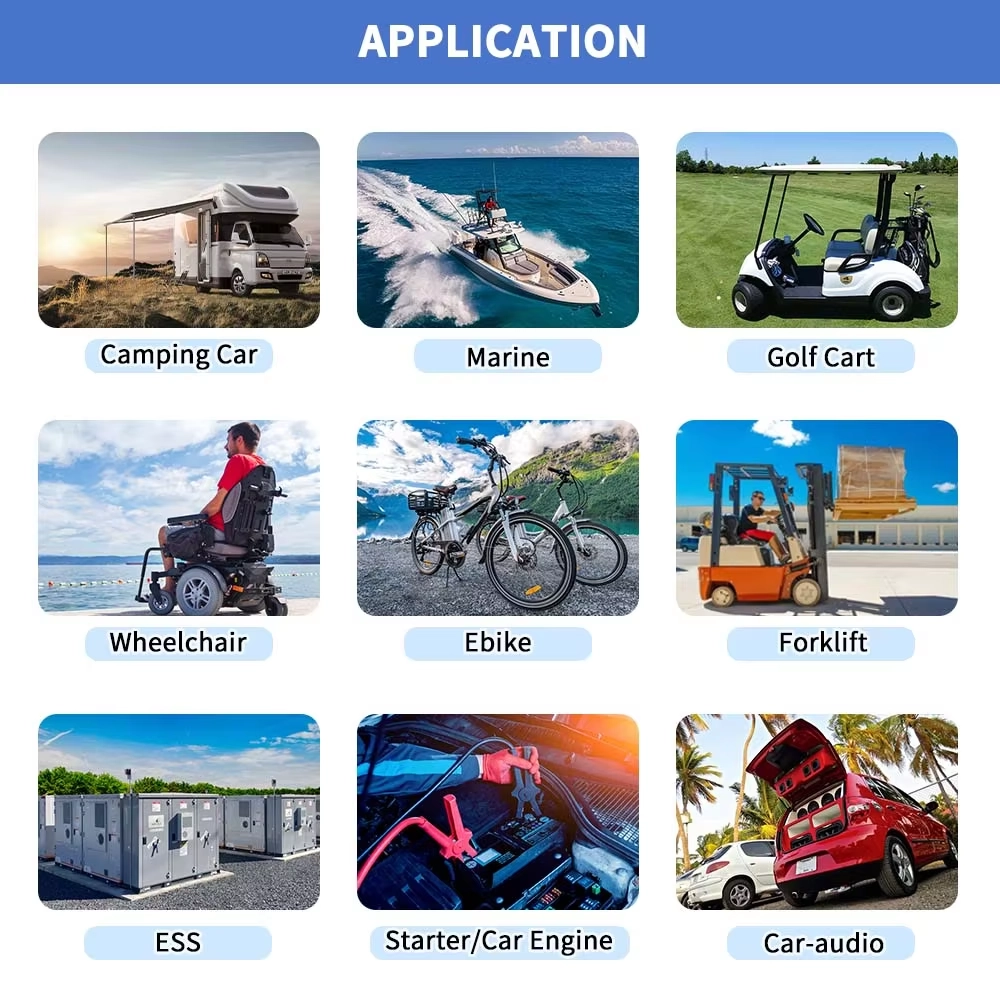
A visual breakdown of Lithium-ion battery types paired with their 2025 hot application scenarios, from EVs to wearables.
2025 Hot Scenario: Electric Vehicles (EVs) and Lithium Battery
EVs dominate 2025’s lithium battery demand, with LiFePO4 leading the way. This lithium-ion battery powers mainstream EVs, offering 500+ km range per charge. Fast-charging variants now reach 80% capacity in 15 minutes.
Premium EVs adopt advanced lithium battery tech like silicon-anode Li-ion. It boosts energy density by 30%, enabling 800+ km ranges. Luxury models also use solid-state lithium-ion battery prototypes for enhanced safety.
Commercial fleets, from delivery vans to buses, switch to LiFePO4 lithium-ion battery. Their long cycle life (2,000+ charges) reduces replacement costs. Governments’ carbon-neutral policies drive widespread fleet electrification.
2025 Hot Scenario: Consumer Electronics and Smart Devices
Wearable tech relies on compact LiPo lithium battery for all-day use. Smartwatches and fitness trackers now last 3-5 days on a single charge. Miniaturized lithium-ion battery designs shrink device sizes without cutting runtime.
Foldable phones and tablets use flexible LiPo lithium-ion battery to bend safely. Manufacturers optimize energy efficiency, letting devices run 10+ hours with heavy use. Quick-charging lithium battery eliminates daily charging hassles.
Portable gaming consoles leverage high-performance lithium battery for extended play. Gamers enjoy 6-8 hours of intensive gaming without recharging. Some models use swappable lithium battery packs for non-stop sessions.
2025 Hot Scenario: Renewable Energy Storage and Lithium Battery
Solar and wind energy systems depend on LiFePO4 lithium-ion battery for storage. It stores excess power generated during the day for night use. This lithium-ion battery handles frequent charge-discharge cycles reliably.
Residential energy storage systems (ESS) become mainstream in 2025. Homeowners use lithium battery to reduce grid reliance and lower electricity bills. Compact designs fit easily in basements or garages.
Utility-scale energy storage projects adopt large-format lithium-ion battery packs. They stabilize power grids by balancing supply and demand. This supports the global shift to renewable energy sources.
2025 Hot Scenario: Industrial and Commercial Use Cases
Drones for agriculture, inspection, and delivery use high-capacity lithium-ion battery. LiPo and Li-ion variants power 45+ minute flights, covering large areas. Ruggedized lithium-ion battery withstands outdoor conditions like dust and moisture.
Medical devices, from portable defibrillators to insulin pumps, use Li-ion lithium-ion battery. It delivers consistent power for life-saving equipment. Long shelf life ensures readiness during emergencies.
Warehouse automation relies on lithium-ion battery for AGVs (Automated Guided Vehicles). These batteries charge quickly and last through full workdays. They reduce downtime in fast-paced logistics operations.
Battewill: Your Trusted Lithium Battery Partner in 2025
Battewill offers a full range of high-quality lithium battery solutions for 2025’s top scenarios. Its LiFePO4 lithium battery powers EVs and energy storage systems with 2,000+ charge cycles. For consumer devices, Battewill’s LiPo lithium-ion battery delivers compact design and long runtime. Industrial clients benefit from rugged lithium-ion battery variants built for drones and automation.
All Battewill lithium battery products feature advanced BMS protection and fast-charging technology. Whether for personal use, transportation, or renewable energy, Battewill provides reliable lithium battery power tailored to 2025’s demands.