LiPo battery has become the backbone of drone performance, from hobbyist fliers to pro missions. Its unique blend of power and lightness makes it perfect for unmanned aerial vehicles. Drones rely on lithium polymer(Lipo) battery to stay airborne longer, move faster, and carry essential gear. This guide dives into why lithium polymer battery dominates drone applications and how it elevates every flight.
Why LiPo Battery Reigns Supreme for Drones
Standard batteries struggle to balance weight and power—lithium polymer battery crushes this challenge. It offers higher energy density than nickel-cadmium or lead-acid alternatives. A lithium polymer battery packs more juice into a slim, lightweight design that won’t weigh drones down.
Drone motors need quick bursts of energy for takeoffs and maneuvers—lithium polymer battery delivers instantly. Its high discharge rate (measured in C-rating) fuels rapid acceleration and sharp turns. This responsiveness makes lithium polymer battery ideal for racing drones and acrobatic flights.
For aerial photographers, lithium polymer battery means longer time in the air. A 3S or 4S lithium polymer battery powers consumer drones for 20-30 minutes of steady flight. This lets photographers capture panoramic shots or extended video without rushing.
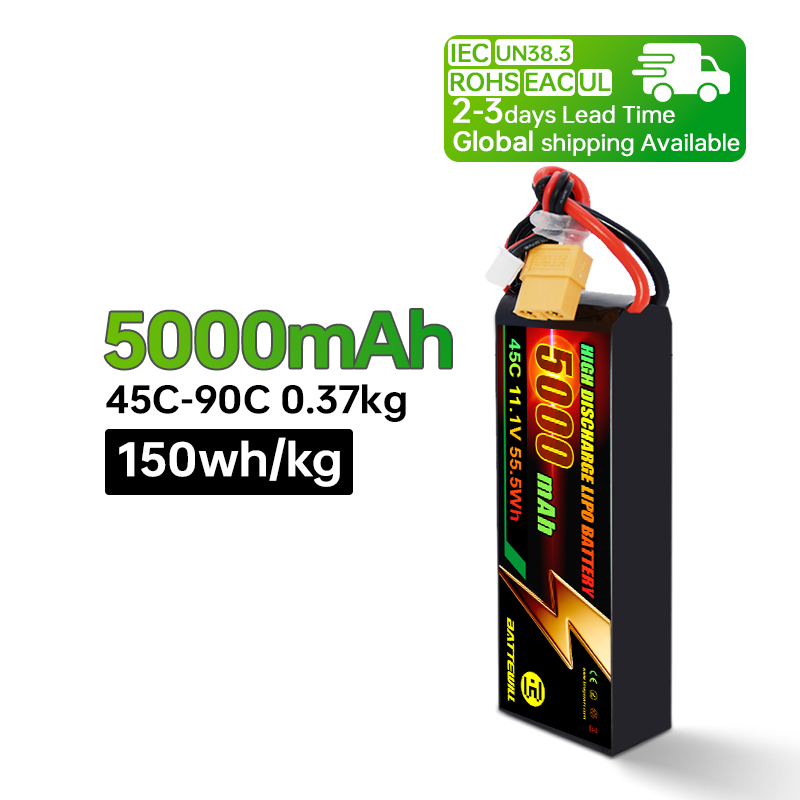
LiPo Battery Sizes and Configurations for Every Drone
LiPo battery comes in configurations tailored to different drone types. Consumer quadcopters often use 3S (11.1V) lithium polymer battery packs for balanced performance. Racing drones demand 4S or 6S lithium polymer battery to hit speeds over 100km/h.
Capacity (measured in mAh) dictates flight time—choose wisely based on your needs. A 1500mAh lithium polymer battery works for small toy drones or quick practice flights. Professional inspection drones use 5000mAh+ LiPo battery to stay up for 45+ minutes.
Cell count and configuration matter for power delivery. A 2S lithium polymer battery (7.4V) suits lightweight micro-drones. Industrial drones use stacked lithium polymer battery packs (like 8S or 10S) to handle heavy payloads.
A range of lithium polymer battery packs paired with compatible drones, from micro-quadcopters to professional UAVs.
LiPo Battery in Commercial and Industrial Drone Applications
Agricultural drones depend on lithium polymer battery for all-day field work. A high-capacity lithium polymer battery powers crop-spraying drones through hundreds of acres. It withstands outdoor temperatures and vibration during long flights.
Search and rescue drones use lithium polymer battery to cover large areas quickly. Its reliability ensures drones don’t fail mid-mission when lives are at stake. A lithium polymer battery keeps thermal cameras and communication gear running for hours.
Construction and inspection drones rely on lithium polymer battery’s power-to-weight ratio. They carry LiDAR sensors or high-res cameras to survey job sites. A lithium polymer battery lets them hover steadily while capturing detailed data.
How to Care for Your Drone’s LiPo Battery
Proper charging extends lithium polymer battery life and prevents accidents. Use a LiPo-specific charger with balance function to avoid overcharging. Never charge a lithium polymer battery unattended—keep it in a fireproof bag.
Storage is key to preserving lithium polymer battery health. Store at 30-50% charge in a cool, dry place. Avoid leaving a fully charged or depleted lithium polymer(Lipo) battery for weeks.
Handle with care to prevent damage. A punctured lithium polymer battery can catch fire—never drop or crush it. Disconnect the battery from the drone after flights to avoid drain.
Common Myths About LiPo Battery Debunked
Myth: LiPo battery is too dangerous for casual use. Fact: With proper care, lithium polymer battery is as safe as other drone batteries. Follow charging and storage rules to avoid risks.
Myth: Higher capacity always means better LiPo battery. Fact: A larger lithium polymer battery adds weight, reducing drone agility. Match capacity to your drone’s weight and intended use.
Myth: LiPo battery has a short lifespan. Fact: A well-maintained lithium polymer battery lasts 300-500 charge cycles. Avoid deep discharges and extreme temperatures to maximize life.
Battewill: Reliable LiPo Battery for Every Drone Need
Battewill crafts high-performance lithium polymer battery solutions designed for drones of all types. Its consumer-grade LiPo battery packs (1500-3000mAh) deliver steady power for hobby flights. Professional users trust Battewill’s industrial LiPo drone battery (5000mAh+) for long commercial missions. All LiPo battery options feature built-in protection against overcharging, short circuits, and overheating.
They balance high discharge rates with long cycle life, ensuring value and reliability. Whether you’re racing drones, capturing aerial photos, or running industrial surveys, Battewill’s LiPo battery keeps your UAV flying longer and stronger.