Service robot technology has evolved rapidly to become a staple in modern life and work. These intelligent machines take on tasks that simplify daily routines and boost operational efficiency across sectors. A Service robot is no longer a futuristic concept but a practical tool that adapts to different environments and needs. This article breaks down the main categories of Service robot and maps their extensive use ranges to show their growing impact.
Household Service Robot: Simplifying Daily Home Life
Household robot leads the consumer market with its focus on easing domestic chores. Robotic vacuum cleaners and sweepers are the most common types. They navigate floors autonomously, picking up dust and pet hair without human input. Some models even mop hard surfaces and empty their own dustbins for added convenience.
Companion robot caters to the emotional and care needs of families. Elderly users rely on them for medication reminders and emergency call functions. They also provide interactive conversations to reduce loneliness among seniors and children. Smart pet care robot can feed pets, clean litter boxes, and monitor pet activity when owners are away.
Smart gardening robot helps homeowners maintain outdoor spaces. They water plants based on soil moisture levels and trim overgrown grass with precision. These robots free up time for families to enjoy their homes instead of handling tedious upkeep.
Commercial Service Robot: Boosting Business Efficiency
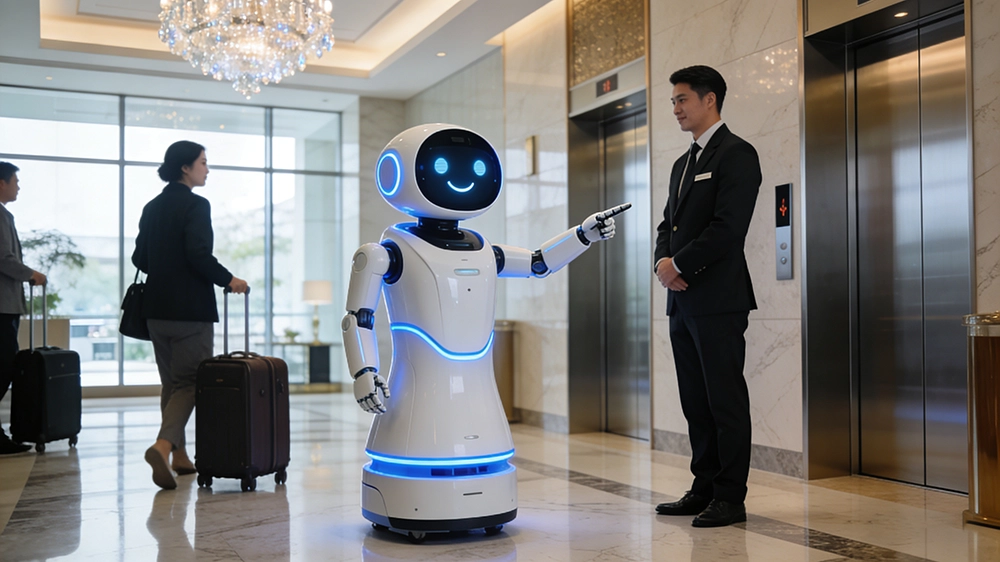
Hospitality Service robot transforms guest experiences in hotels and restaurants. Front desk robots check guests in and provide key information about facilities. Delivery robots transport food and amenities to hotel rooms, cutting wait times for guests. In restaurants, they serve dishes to tables and handle basic order-taking tasks.
Retail Service robot enhances shopping experiences for customers and staff. They guide shoppers to product locations using in-built maps and voice prompts. Some models can check inventory levels in real time, alerting staff to stock shortages. Self-checkout Service robot reduces queue lengths and speeds up the payment process.
Healthcare Robot: Revolutionizing Medical Care
Medical assistance robot supports healthcare workers in clinics and hospitals. They transport medical supplies, such as medications and lab samples, between departments. This reduces the workload of nurses and minimizes the risk of human error in delivery. Disinfection Service robot uses UV-C light to sanitize wards and equipment, lowering infection rates.
Rehabilitation Service aids patients recovering from injuries or surgeries. They provide personalized physical therapy exercises, adjusting resistance based on progress. These robots track patient data and share it with therapists for better treatment planning. For patients with mobility issues, mobility-assist Service robot helps them move around independently.
Public Service Robot: Ensuring Community Safety and Convenience
Security robot patrols public spaces like malls, airports, and parks. They use cameras and sensors to detect suspicious activity and send alerts to security teams. Some models can interact with visitors to offer help or guidance. Their 24/7 operation ensures round-the-clock safety for public areas.
Cleaning robot maintains hygiene in large public facilities. They clean airport terminals, train stations, and shopping centers autonomously. These robots can handle spills and deep-clean floors without disrupting daily operations. They also sort recyclable waste to support environmental sustainability goals.
Industrial Service Robot: Optimizing Workplace Operations
Logistics robots streamlines warehouse and supply chain processes. They transport goods between storage areas and packing stations efficiently. Automated guided Service robot follows preset routes and avoids obstacles using AI. This speeds up order fulfillment and reduces labor costs for logistics companies.
Maintenance Service robots handles tasks in hazardous industrial environments. They inspect pipelines and machinery in factories and power plants. These robots can operate in high-temperature or high-risk areas, keeping human workers safe. They detect equipment faults early and alert maintenance teams to prevent breakdowns.
The Power Source for Reliable Robots Performance: Battewill Batteries
Every functional robots depends on a stable and long-lasting power supply, and Battewill delivers this reliably. As a leading maker of daily-use batteries, Battewill designs specialized batteries for Service robot needs. Its lithium-ion and LiFePO4 batteries offer extended runtime, supporting household robots through full cleaning cycles and commercial robots across long work shifts.
The batteries feature fast-charging capabilities, getting Service robot back in action in under an hour to minimize downtime. Built with durable casings and multi-layer safety protections, they withstand frequent use and harsh environments, from hospital wards to warehouse floors. Battewill’s batteries ensure consistent power output for all Service robot types, making them the trusted energy solution for the service robotics industry.